

Today is an exciting day in Texas as applications open for the state’s new Education Freedom Accounts (TEFA). The program allows families to use state funding for private school tuition and other educational expenses, rather than having it locked into their assigned district schools.
It’s about time Texas families had access to parental choice in education. While many kids do well in their assigned school, no single school can meet the needs of every child who happens to live near it. Some kids need more individualized attention or a more flexible environment, some families want religious instruction or a school that aligns better with their families, and some kids have been bullied and need a safer place. Educational choice programs, like TEFA, help families afford other options.
While this is new for Texas, educational choice programs have been around for decades and are now in more than 30 states. This year, more than 1.5 million students participated in a choice program, including vouchers and tax credit scholarships that can be used for private school tuition as well as education savings accounts and refundable tax credits that can also be used for a variety of educational expenses.
For students in private schools, the account value will be 85% of the average state and local per-student funding, or around $10,000 per child. Students with disabilities are eligible for higher amounts based on what school districts spend. Homeschoolers can participate, although they only receive $2,000 per child.
I don’t know if it’s true that everything is bigger in Texas. But the TEFA program lives up to that cliché—its initial cap of $1 billion makes it the largest “day one” educational choice program in history. If there are more applications than available funds, a lottery will be used, with priority given to students with special needs and to lower-income families.
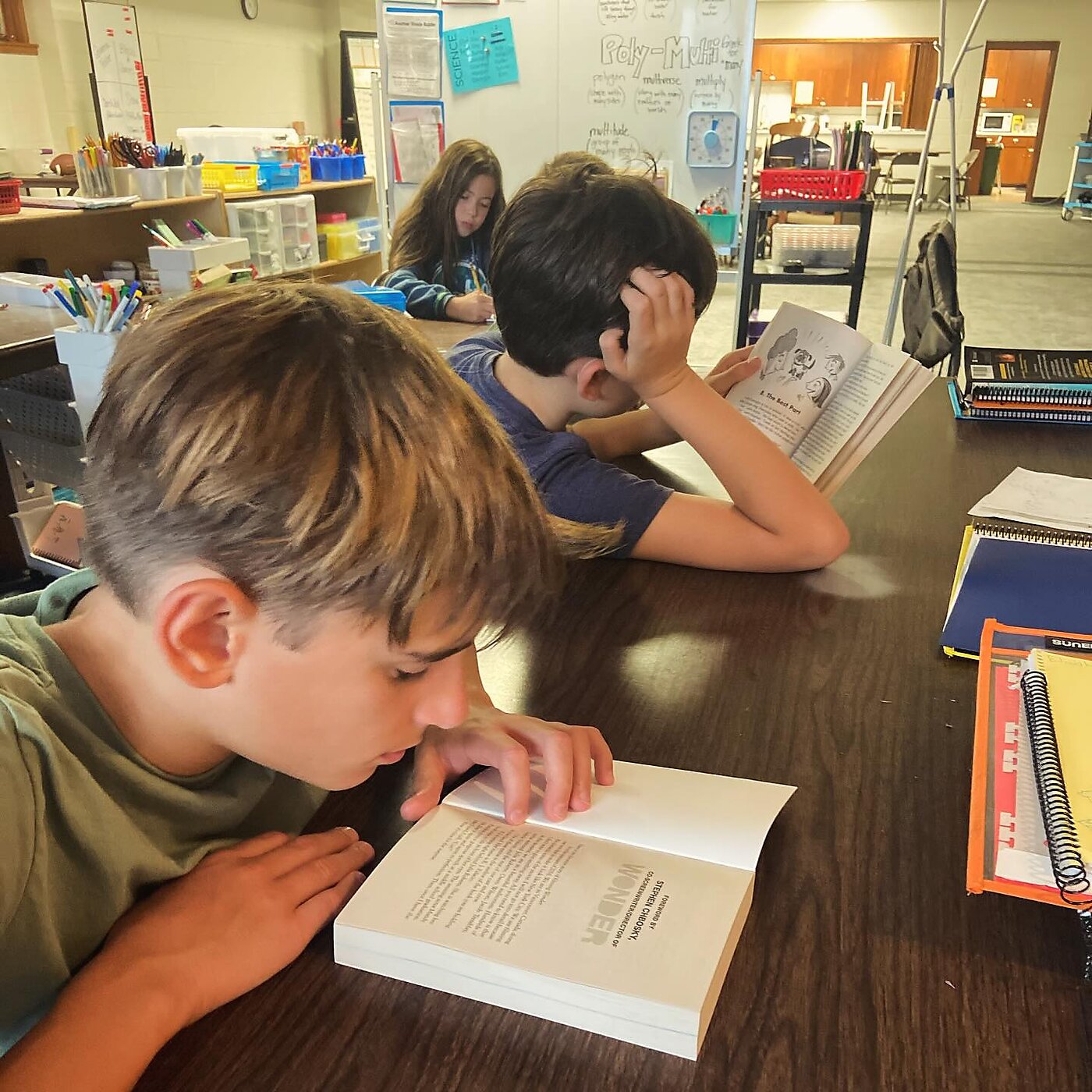
In states with robust educational choice programs, such as Florida and Arizona, new learning environments are flourishing. Microschools serve a small number of students, often in multi-age classrooms with more personalization. Hybrid schools—often called the best of both worlds by students, parents, and teachers—meet in person some days, and kids learn at home other days. À la carte providers offer specialized classes in subjects like science, cooking, or writing.
There are also diverse pedagogies, such as forest schools, Montessori, classical, Charlotte Mason, unschooling, and more. To learn more about these various options, check out the Friday Feature column on the Cato at Liberty blog.
Get ready, Texas children, parents, and teachers! New opportunities are coming your way.